Solid surface is an acrylic material manufactured into flat sheet panels and designed for use in interior and exterior applications. It is suitable for a wide variety of residential and commercial applications including kitchen counter tops and bathroom vanities, restaurant table-tops and work surfaces, hospitality areas, healthcare, banks and other corporate environments.
Solid surface sheets may be bonded to each other to create a continuous, seamless surface that is suitable for both horizontal and vertical use. Most solid surface materials combine two main ingredients: a natural mineral, which serves as the filler, and a resin, which serves as the binder. These are combined and then cast in a curing process that results in a sheet or a shape.
The most common mineral is alumina tri-hydrate, or ATH. ATH is a refined form of bauxite ore and can comprise up to 75 percent of a sheet of solid surface. Bauxite is a form of clay.
ATH is chemical and stain resistant, water-resistant, fire resistant, translucent and is hard enough to give impact-resistance, but soft enough to be machinable.
Other materials have been used as fillers for solid surface. Calcium carbonate glass fibers and even recycled newsprint have all at one time been used as fillers.
Two main resins used in the manufacturing of solid surface are acrylic and polyester. A purely acrylic-based resin yields a sheet that is thermoformable. It can be heated, bent into a new shape and cooled without any loss of performance characteristics.
Polyester resins, including those that are mixed with acrylic, are used in demanding or high strength applications. With the addition of a catalyst, usually peroxide, the sheets are then cast and cured.
Casting of solid surface consists of mixing the resin with fillers and additives. The mix is poured into an open mold. Occasionally, molds are closed for products with shape. In casting, air bubbles should be avoided by either adjusting the viscosity of the mix or vibrating the casting table. Air bubbles in the material cause voids once the material is cured.
Some solid surfaces cure in the open air. Steam or ovens are sometimes used for curing. Many polyester resins require a heating-cooling cycle after curing, which increases the degree of cure. An improperly controlled cure can cause air bubbles appearing in the material, which effectively ruin it as a solid surface. Carefully controlling temperatures during curing is an effective way of reducing this risk.
Features and Benefits
• Durable: resists chipping and cracking and retains its beauty
• Renewable: scratches, cuts and burns can be sanded away
• Available in classic solid colors and versatile patterns
• Homogeneous composition for color and pattern retention throughout the thickness of the sheet
• Offers seamless, one-piece appearance
• Stain-resistant and easy-to-clean
• Nonporous and hygienic: dirt can’t be trapped, liquids won’t penetrate, bacteria and fungi won’t grow
Article Source: Moden Woodworking
Showing posts with label benefits. Show all posts
Showing posts with label benefits. Show all posts
Thursday, October 12, 2006

Friday, October 06, 2006
Benefits of Stainless Sink
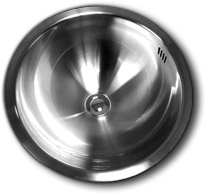
Stainless steel has emerged as the most popular choice of materials for new sink installations because of its low cost, light weight, and almost unbreakable construction. Stainless steel sinks are made in many sizes and several thicknesses, measured in gauge.
The gauge of the stainless steel is the thickness of the stainless steel sink. The most common gauges are 18 and 20. The higher the number gauge, the thinner the steel. Eighteen is the most recommended gauge for sinks.
Stainless steel kitchen sinks are easy to clean and will stay looking newer for longer when cared for properly. You won’t have to worry about leaving lemons in the sink overnight or cranberry stains, but it can become dull and scratched. It is best to put a plastic or rubber mat in the sink to protect it from scratches. A mat will protect the shiny surface and keep it looking new longer.
When choosing a kitchen sink, there are many different decisions that need to be made. Even the simplest of sinks are available in different styles and colors. The first consideration is the size. Make sure that your sink fits.
Sinks are made with various qualities of stainless steel. Light-gauge stainless steel is more vulnerable to denting and scratching.
Stainless steel is also available in a mirrored finish, which gives it a shinier appearance. In brushed-stainless finishes, which is the latest trend, scratches are less visible.
Kitchen sinks come in one bowl, two bowl, or three bowl models. The bowls can be deep or shallow. Single bowl sinks are basic, and their depth can vary from 10” to 12”. Two and three bowl sinks allow for multi-tasking. For example, you can rinse or store dishes in the large bowl, and use the small bowl for a garbage disposal or to rinse vegetables.
Article Source: Jason Gluckman
Benefits of Solid Surface
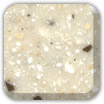

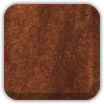

Solid surface is a 100 percent manmade product, which means great diversity when it comes to color and texture variations. It is made of resin, an acrylic or modified polyester; alumina trihydrate, a filler which allows for a Class 1 Fire Rating; color pigments; and added particles that give a mottled, veined, or textured look to the surface. Solid surface is machinable and can be cut into about any shape imaginable. It also can be heated and molded. Solid surface is the only material that features molded sinks seamed directly to the countertop with no gaps or caulks. Built-in coved backsplashes can be fused to the countertop to create a water-tight transition.
Various additives allow for the creation of hundreds of looks, from speckles of granite particles to the swirls of a marble vein. Surfaces are available in finishes from dull matte to high gloss.
Solid-Surface Benefits
Solid-surface kitchen countertops offer homeowners the benefits of a warm-to-the-touch surface with low maintenance requirements. Normal wear and tear requires only soap and water cleanup.
Solid-surface products offer these benefits:
- Stain and chemical resistance
- Scratch resistance
- Easy cleanup
- Durability—The product is "homogenous" meaning the color and pattern are consistent throughout. There are no veneers to chip, crack, peel, or wear out.
- Long warranty. Solid-surface products generally come with a 10-year warranty.
Solid surface is manufactured to be stain, chemical, and scratch resistant, but it is not impervious to harm. It can be scorched and may crack if incorrectly installed too close to a high-heat producing appliance or if hot pans are placed on it. To prevent damage, homeowners are encouraged to use trivets or hot pads.
Wine, mustards, and other high stain producers could leave a mark if not quickly wiped up. Solid surface can be scratched and cut so homeowners are advised to use cutting boards. Damage can be repaired and the product restored often by using a non-woven scrubbing pad—such as Scotch Brite—or an or abrasive liquid cleanser followed by the pad to maintain the same appearance as the rest of the countertop. Always check with the manufacturer for their specific care instructions since care and repair options vary depending on the finish and the degree of repair needed. Deep scratches will probably require professional services, but repairs for cracks or chips can be practically invisible.
Subscribe to:
Posts (Atom)